The smell of a professional kitchen can be a complex bouquet—a blend of caramelized sugar, roasting herbs, and, if left unchecked, the ghost of old gravy. When a deep clean is complete, the initial rush of fresh air can be deceiving. While the surfaces might gleam and the equipment looks brand new, the residual odors—the deeply embedded scents of smoke, grease, and bacteria—can linger like a bad memory. Achieving a truly neutral, odor-free space requires more than just scrubbing floors; it requires a systemic approach to sanitation and air management. This detailed guide will walk you through the science, protocols, and preventative measures necessary for successfully getting commercial kitchens odor-free after deep clean, ensuring your facility smells as fresh as the first day of service.
Understanding the Source of the Lingering Scents
Before you can eliminate a smell, you must understand where it lives. Kitchen odors are rarely confined to visible spots; they are molecular messes that have penetrated porous materials, grease traps, and the ventilation system itself. Thinking that a thorough scrub is enough is like trying to catch smoke with a dustpan—it’s impossible.
Grease Traps and Hidden Residue
Many of the worst-smelling culprits are the ones you don't see every day. Grease isn't just a surface problem; it's a sticky, semi-solid medium that traps volatile organic compounds (VOCs) released by cooking processes. These compounds are the source of the persistent, musty, or acrid smells.
- Ventilation Ductwork: This is often the biggest culprit. Grease deposits build up inside the ducts, and even after cleaning the visible filters, the smell permeates the metal and accumulates deep within the system. Drain Systems: Beyond the main grease trap, smaller drains, floor drains, and waste pipes can harbor biofilms—a slimy layer of bacteria—that constantly emit sulfurous compounds. Porcelain and grout: Even if surfaces are cleaned, microscopic pores in grout and porous countertops can absorb odors, acting like scent sponges.
The Role of Biological Odors
While grease is chemical, the lingering funk is often biological. Bacteria thrive in warm, moist, and nutrient-rich environments—the perfect recipe for a microbial cocktail. When these bacteria metabolize organic waste, they release gases like methane and hydrogen sulfide, which smell distinctly "rotten."
"As the saying goes, the hardest part of the job is not the scrubbing, but the deep cleaning of the invisible." This reminder is crucial: we are fighting invisible enemies. The sheer effort required to getting commercial kitchens odor-free after deep clean is often underestimated, requiring a blend of mechanical, chemical, and biological intervention.
Mastering the Deep Cleaning Protocol
A true deep clean must be a multi-phase operation. It cannot be a single day's event; it is a carefully structured process that tackles different types of contamination.
Equipment and Ventilation Overhaul
Mechanical cleaning is the foundation of odor removal. You must treat the ventilation system https://www.instapaper.com/read/2026664250 like a separate, high-priority appliance.
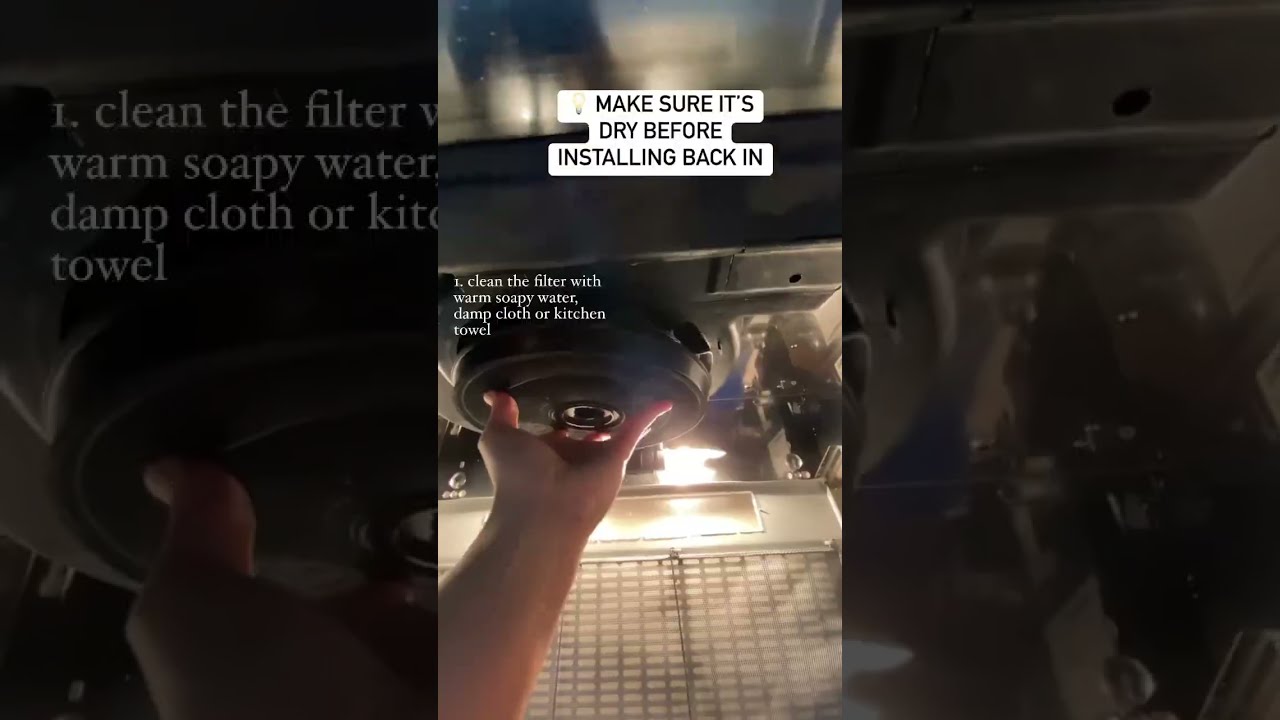
- Filter Replacement and Deep Scrubbing: Do not just wipe down filters. Professional services must dismantle, soak, and scrub the actual metal components of the exhaust hoods and ducts. HVAC System Flush: The entire air handling unit (AHU) needs to be inspected. Odors can be pulled from the roof or other parts of the building into the kitchen, so sealing and treating the HVAC system is vital. Deep Degreasing: Using industrial-strength degreasers that are specifically formulated for high heat and grease residue is non-negotiable.
Chemical and Natural Neutralization
Once the physical buildup is removed, the focus shifts to neutralizing the lingering molecular odors.

- Enzymatic Cleaners: These are highly effective because they don't just mask odors; they consume the organic molecules that cause the smell. They are particularly good for drains and grout. Ozone Generators: Ozone (O3) is a powerful oxidizer. Used correctly, it penetrates deeply into surfaces and air, breaking down odor-causing compounds at a molecular level. Caution: Ozone is highly reactive and must be used by professionals, as it is unsafe for humans and pets. Baking Soda and Vinegar (The Gentle Approach): For minor, localized odors, a simple mix of baking soda and vinegar can neutralize acids and bases, but they are not sufficient for a total deep clean overhaul.
Maintaining the Odor-Free Environment
The biggest mistake a restaurant owner can make is assuming the deep clean is the finish line. Odor control is a continuous process, not a one-time event. Preventing smells from returning is half the battle.
Operational Best Practices
Staff training is arguably the most powerful tool in your odor arsenal. A well-trained team is a preventative shield.
- Daily Zoning: Assign specific areas for disposal and cleaning, ensuring no single area becomes a "smell sink." Immediate Waste Removal: Garbage bins must be emptied and scrubbed daily, especially those near high-odor prep areas. Cross-Contamination Awareness: Are you certain your staff knows the proper protocol for handling raw meats versus cooked items? A simple procedural slip can turn a clean kitchen into a smelly one.
Advanced Filtration Systems
For the highest level of odor control, consider investing in advanced filtration.

- Carbon Filtration: Activated carbon filters are excellent at adsorption—they physically trap gaseous odor molecules, much like a giant, porous sponge. UV-C Light Integration: Integrating UV-C lights into the ventilation stream can help neutralize airborne bacteria and mold spores, providing a secondary layer of defense.
The effort required to getting commercial kitchens odor-free after deep clean is an investment in your reputation. When a potential client or inspector walks in, they shouldn't smell yesterday's fried calamari; they should smell professional excellence.
The Long-Term Strategy for Culinary Freshness
Achieving peak freshness requires adopting a mindset of vigilance. Think of maintaining an odor-free kitchen not as a chore, but as a signature element of your brand. It speaks to meticulous care and quality control.
We know that the initial deep clean is a monumental task, often feeling like pulling teeth. However, by implementing these systematic protocols—from treating the ducts like the primary contamination vector to ensuring staff adherence to daily cleaning schedules—you move from simply cleaning to actively managing the atmospheric quality of your workspace.
What single step, if consistently maintained, would revolutionize your kitchen's scent profile? Perhaps establishing a mandatory, end-of-shift wash-down of all prep surfaces, followed by a quick blast of an enzymatic cleaner. By treating odor control as a pillar of your operational excellence, you guarantee that your kitchen remains a sanctuary of fresh flavors, far from the lingering funk of a forgotten week’s prep. If you suspect your current protocols aren't cutting it, consulting with specialized industrial cleaning experts can help you build a comprehensive, long-term maintenance plan.